

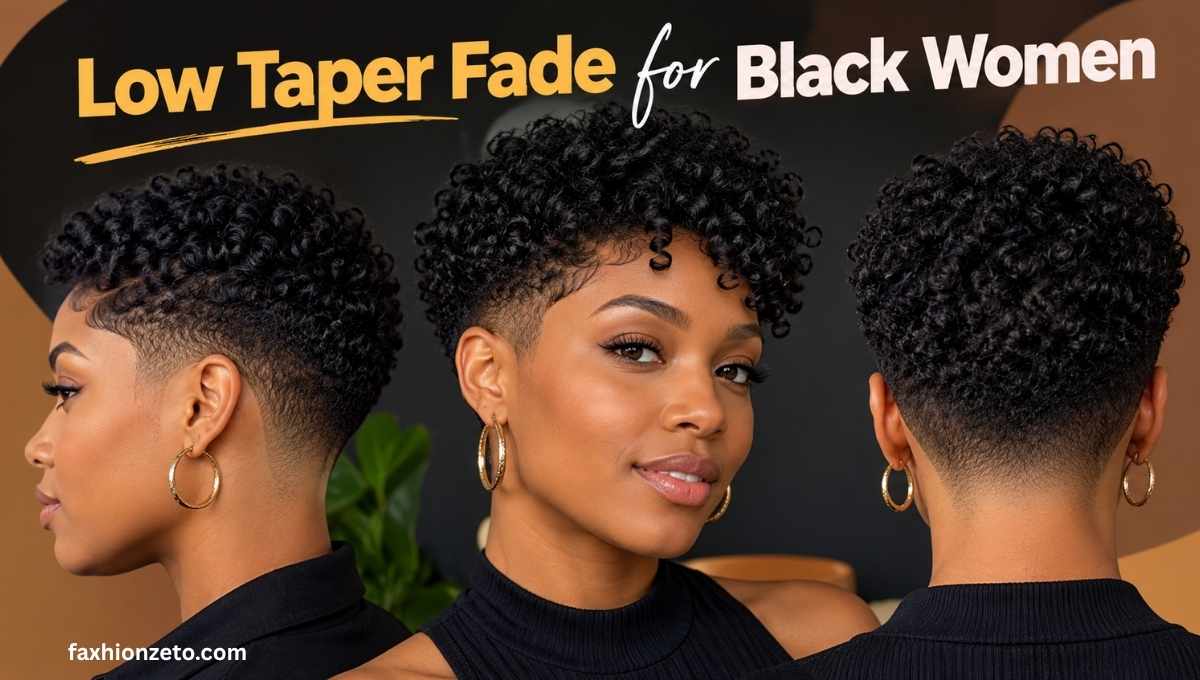
A low taper fade for Black women gives you a neat shape without losing your curls. The sides and neckline get shorter. The top stays soft, full, and yours. It works on tiny twist-outs, big afros, and everything in between.
Many women love this cut because it looks fresh and takes little time each day. But it needs the right barber and the right care. This guide walks you through styles, barber words, upkeep, and scalp safety. Read it first, then book your chair.
Is a Low Taper Fade Right for Your Hair and Lifestyle?
A low taper fade suits most hair types. The real question is how you want to live with it. Think about your hair type, your daily time, and how often you can visit the barber.
Which Textures, Densities, and Top Lengths Work
The low taper fade for natural hair works on many textures.
- 4A, 4B, and 4C hair: Tight coils show off the taper very well. Shrinkage hides length, so ask your barber to cut with your hair stretched.
- Curly hair: Looser curls give a soft, bouncy top. A low taper fade for curly hair looks sweet with a fringe.
- Thick hair: The cut removes bulk at the sides. Your top stays full.
- Fine or low-density hair: Keep the fade soft. A shadow finish looks fuller than a skin-close finish.
- Relaxed or color-treated hair: It works, but your hair is more fragile. Go gentle on the clippers.
For top length, aim for at least one inch if you want to style curls. A tiny TWA also works well with a taper.
The Benefits and Trade-Offs
Benefits
- Quick daily styling
- Keeps volume on top
- Frames the face and cheekbones
- Easy to grow out in stages
- Fits work, gym, and parties
Trade-offs
- Needs regular touch-ups to stay sharp
- Not every barber knows coily hair
- Close clipper work can irritate sensitive skin
- Short sides take time to grow back
What a Low Taper Fade for Black Women Is
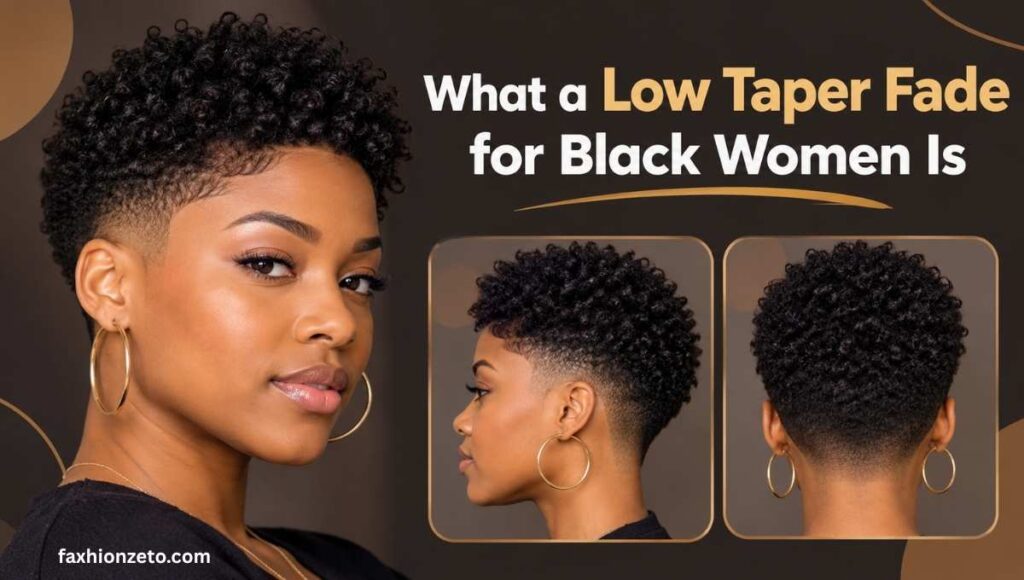
A low taper fade is a short cut around the edges. It starts low on the head. It follows the hairline around the ears and the back of the neck. The rest of the hair stays longer.
Where It Starts, and What Gets Cut
The taper begins just above the ear and near the temple. It runs down toward the nape. The hair gets shorter as it moves toward the neckline. Your barber may stop at a soft shadow or go down to the skin.
Most of your hair stays untouched. Only the sides and back edges get trimmed. That is why this cut feels gentle.
Read More: Mid Taper Fade Fluffy Hair: Styles, Styling Tips, and Barber Guide
How It Differs From a Taper, Low Fade, and Undercut
These words get mixed up a lot. Here is the simple version.
- Taper: Hair slowly gets shorter. It does not always reach the skin.
- Low fade: Hair fades to the skin low on the head. The contrast is stronger.
- Low taper fade: A soft taper that starts low. It can end at a shadow or skin finish.
- Undercut: Sides are cut short in one sharp step. There is no slow blend.
The low taper fade versus undercut choice comes down to softness. The taper blends. The undercut cuts off.
15 Low Taper Fade Styles to Consider
Pick the mood you want. Then show your barber photos of that mood.
Subtle, Everyday Ideas
- Soft temple-and-nape taper: Only the temples and nape get trimmed. It is the quietest version.
- Rounded tapered afro: A full round shape on top with clean, short edges.
- Nape-only taper: The back gets a neat taper. The sides stay natural.
- TWA with low shadow fade: A short teeny weeny afro with a very light fade around the ears.
- Curly pixie with taper: Soft curls on top and a neat taper on the sides.
Bold and Creative Ideas
- Geometric line haircut: Sharp shaved lines in the fade. They look modern and clean.
- Hard-part design: A shaved line marks your part. Great for shaping the top.
- Curly frohawk with faded sides: Volume runs down the middle. The sides stay tight.
- Color-accented natural curls: Copper, honey, or plum on the top curls with a clean taper below.
- High-volume afro with low taper: A big sculpted afro with trimmed edges so it looks crisp.
Transition-, Big-Chop-, and Grow-Out-Friendly Ideas
- Big-chop crop with taper: After a big chop, a taper gives your short hair a clear shape.
- Coily fringe with low taper: A longer front falls over the forehead while the sides stay short.
- Twist-out with tapered edges: Defined twists on top and a trimmed perimeter.
- Finger-coil top with low taper: Finger coils add shine and pattern. The taper keeps the look neat.
- Gray and silver tapered natural cut: Silver strands look rich against clean, short edges.
Low Taper Fade vs. Other Popular Hairstyles
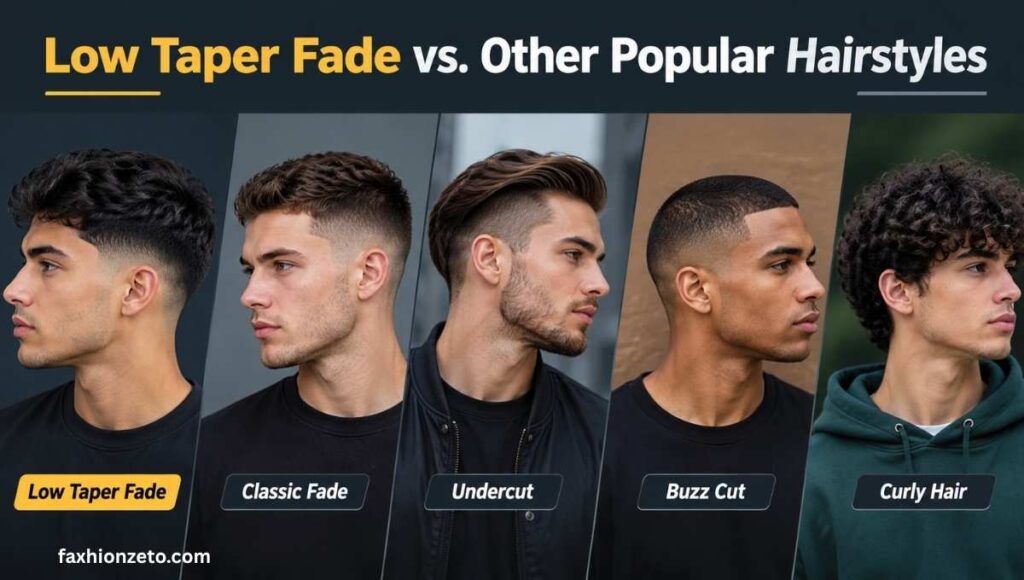
Taper cuts sit on a scale. Your pick depends on how bold you want to go.
Low Taper Fade vs. Mid Taper Fade
A mid taper fade starts higher, around the middle of the sides. It is more visible. A low taper fade stays close to the ears and neck. It looks softer and grows out more gently. Choose low if you work in a formal place or want a subtle look.
Low Taper Fade vs. High Taper Fade
A high taper fade starts near the temple and climbs up the head. It shows a strong contrast. A low taper fade keeps more hair on the sides. It frames the face without a big change. Pick high only if you want a bold, edgy shape.
How to Ask Your Barber for the Exact Cut
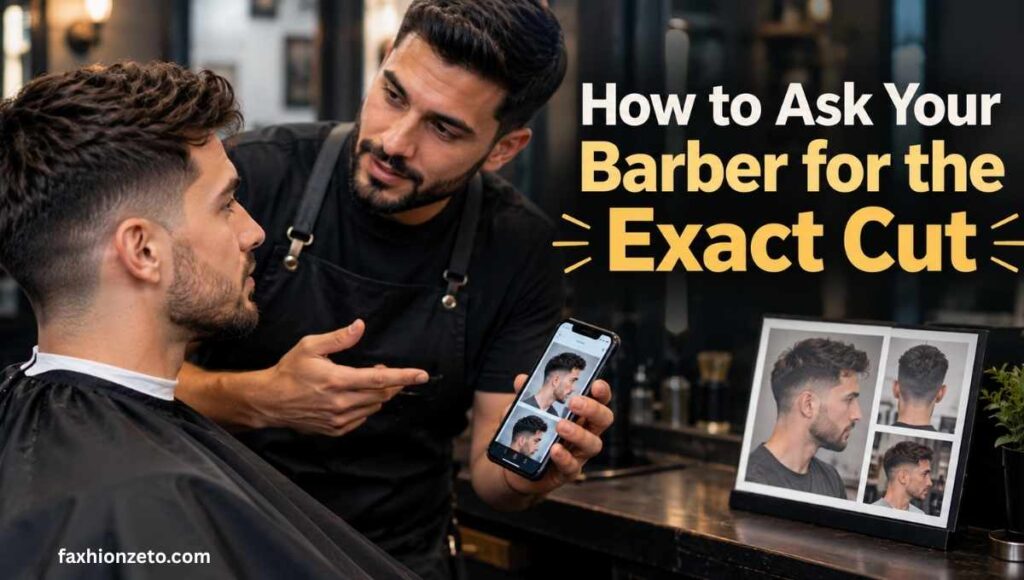
Clear words save you from a bad cut. A short chat before the clippers start is worth it.
What Reference Photos and Details to Bring
Bring three things:
- A front photo, a side photo, and a back photo of the cut you want
- A photo of your hair type, so your barber sees what to expect
- A note on how short you want the top
Then say what you do not want. For example, “no skin fade” or “keep my natural hairline.”
Barber Terms, Guard Lengths, and Finishes
Here is the basic language.
- Guard lengths: A #1 guard leaves about 1/8 inch. A #2 leaves about 1/4 inch. Higher numbers leave more hair.
- Shadow finish: A soft, almost-bald look with a hint of hair.
- Skin-close finish: Cut to the skin. It looks sharper but shows regrowth faster.
- Line-up: Clean lines at the front hairline and temples.
- Neckline shape: Rounded, square, or tapered. A tapered neckline looks softest.
Try this script: “I want a low taper fade. Start the taper above the ear. Use a #1 at the shortest, with a shadow finish. Keep the top at two inches. Keep my natural hairline.”
Not every barber is used to textured hair. Look at their past work before you book.
Maintenance and Natural-Texture Care
A low taper fade is easy at home. You just need a simple plan.
Your Daily and Weekly Routine
Daily
- Mist your curls with water or a leave-in spray.
- Seal in moisture with a light cream or oil.
- Sleep with a satin bonnet or scarf.
Weekly
- Wash with a gentle shampoo.
- Use a conditioner for natural curls.
- Add a deep treatment if your hair feels dry.
- Gently clean the shaved areas to remove scalp buildup.
How Often to Refresh the Fade and Line-Up
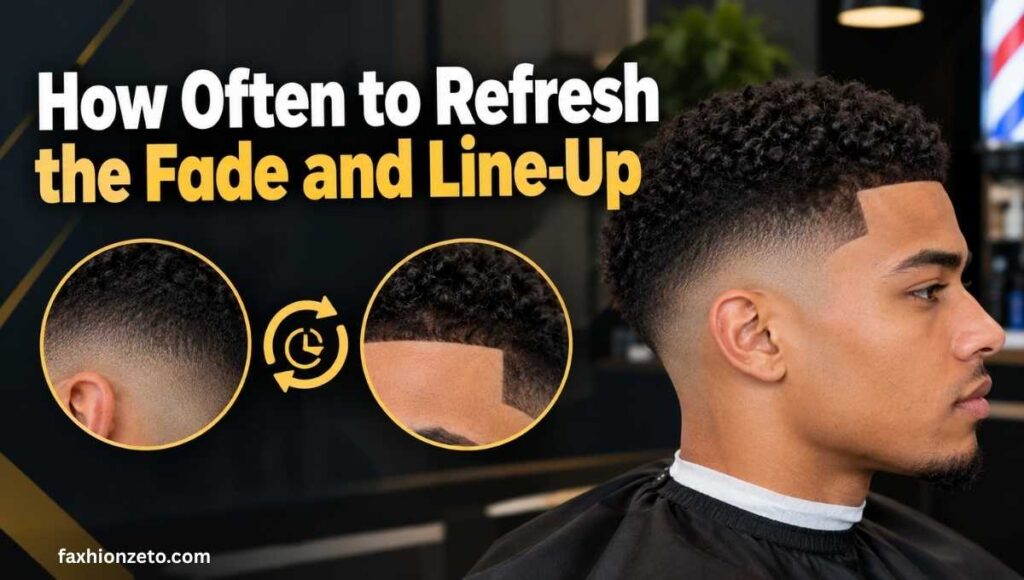
- Line-up: Every 1 to 2 weeks if you love sharp edges.
- Fade touch-up: Every 2 to 4 weeks.
- Full reshape: Every 4 to 6 weeks.
A soft shadow finish lasts longer than a skin-close finish. It looks natural as it grows. Many people book a regular monthly haircut appointment so they never miss a date.
Growing It Out Without Awkward Bulk
Hair grows about half an inch a month. The grow-out can feel bulky. Follow these steps:
- Ask for a rounded shape, not a boxy one.
- Keep the neckline tapered with a monthly trim.
- Shape the sides with small scissor cuts.
- Use twists or a twist-out to guide the new length.
- Shift to a mid taper before going fully natural.
Hairline and Scalp Risks to Know
A good cut should feel kind to your skin. Watch for these problems.
How Tight Styling Affects the Hairline
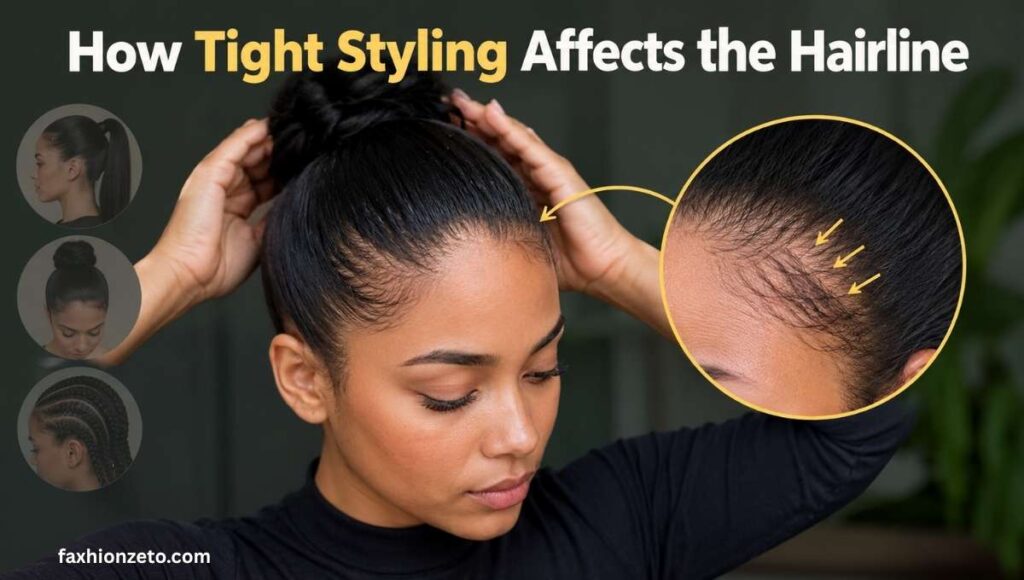
Tight styles pull on fragile edges. Over time, this can cause traction alopecia, which is hair loss from constant tension. Thin or sore edges are a sign to stop. A low taper fade can look great on thinning edges, since the short hair takes the strain off. See a doctor or dermatologist if you notice patches.
Also keep a natural hairline when you can. A very sharp line-up can push the hairline back if it is cut too far.
Color, Relaxers, Heat, and Clipper Irritation
- Color and bleach: Both dry the hair. Do a strand test first.
- Relaxers: Wait a few days after a fresh clipper cut so your scalp can calm down.
- Heat: Use a heat protectant and keep tools on low settings.
- Clippers and razors: Close shaving on curly hair can cause razor bumps. The neck can also develop bumps called acne keloidalis nuchae. A guard #1 or a shadow finish is safer than a skin finish.
To lower the risk:
- Ask your barber to cut with the grain.
- Rinse and moisturize after each cut.
- Avoid picking at bumps.
- Visit a dermatologist if bumps stay or hurt.
Styling Ideas for a Low Taper Fade
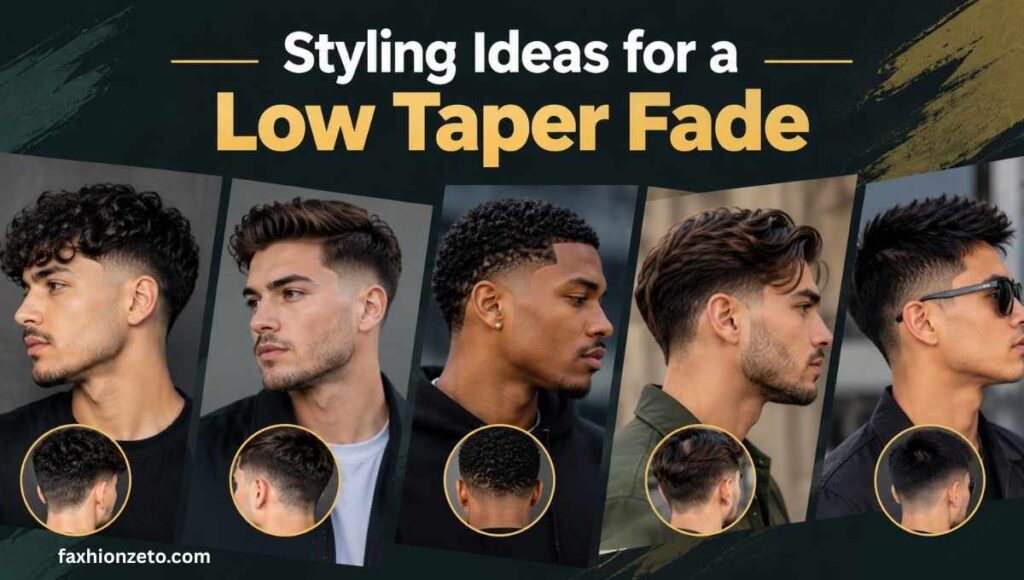
Your top is the star. Here is how to style it.
How to Style Curls, Coils, and Afros on Top
- Curls: Use a curl cream on damp hair. Shape with your fingers.
- Coils: Twist small sections for defined coils.
- Afro: Pick out your hair gently, starting at the roots.
- Fringe: Let it fall across the forehead and set with a light gel.
- Twist-out: Twist at night. Open the twists in the morning.
Best Products for Maintaining Natural Texture
Look for types of products, not hype.
- A water-based leave-in conditioner
- A curl-defining cream or custard
- A light oil or butter for sealing
- A gentle sulfate-free shampoo
- A heat protectant spray
- A satin bonnet or pillowcase
Use only a small amount. Too much product leaves buildup on the shaved areas.
Lower-Commitment Alternatives
Not ready for the full cut? Try something lighter.
Cuts That Give a Similar Shape
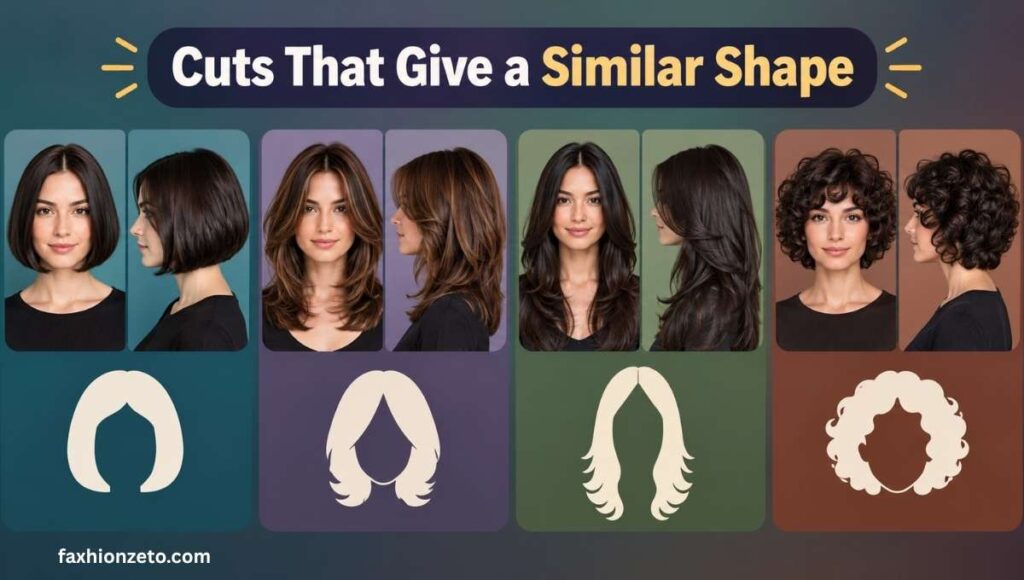
- Tapered neckline only: Just clean up the back.
- Soft scissor taper: The barber blends the sides with scissors, not clippers.
- Low-contrast tapered crop: A gentle trim with no skin showing.
- Edge-up with a rounded shape: A clean hairline with your length kept.
These give you a feel for the shape with less risk.
Frequently Asked Questions
What is a low taper fade for Black women?
It is a short cut around the ears and neckline that blends into longer natural hair on top.
Does a low taper fade work on 4C hair?
Yes. Tight coils show the taper clearly. Ask your barber to cut with stretched hair.
How often should I refresh a low taper fade?
Most people refresh every 2 to 4 weeks. A shadow finish can last a little longer.
How long does a low taper fade last?
It looks sharp for about 2 to 3 weeks. After that, regrowth softens the shape.
Is a low taper fade good for thinning edges?
It can be, because short hair takes the strain off edges. Avoid tight styles and see a doctor if loss continues.
Can I get a low taper fade on relaxed or color-treated hair?
Yes. Go gentle with the clippers and keep your hair moisturized.
How do I stop razor bumps after a fade?
Ask for a #1 guard or shadow finish, cut with the grain, and moisturize. See a dermatologist if bumps stay.
How do I grow out a low taper fade?
Keep the neckline tidy, round the shape, and use twists to guide new length.
Final Thoughts
A low taper fade for Black women is a smart mix of neat and natural. It keeps your curls, shapes your face, and cuts down daily work. Choose a style from the list, bring clear photos, and use the barber words above.
Then protect your hairline and scalp. Moisturize, sleep in a bonnet, and book regular touch-ups. With the right barber and a little care, your cut will look sharp and feel good every day.

Isaac Flynn is a fashion writer and content researcher at Faxhionzeto.com. He focuses on fashion trends, styling ideas, clothing guides, and modern wardrobe inspiration. With an interest in visual culture and fashion journalism, Isaac creates practical, reader focused articles that turn evolving style ideas into clear, useful information for everyday fashion enthusiasts.