
Picking a new haircut can feel tricky. Two styles are very popular right now: the low taper and the burst fade. Both look sharp, but they suit different face shapes and hair types. If you keep mixing them up, you’re not alone. Many guys walk into a barber shop unsure which one to ask for.
In this guide, we’ll break down low taper vs burst fade in simple terms. You’ll learn how each cut is made, what makes them different, and which one might match your style best. Whether you like a clean, subtle look or something bold and modern, we’ve got you covered. Let’s find your perfect fade.
What Is a Low Taper Fade?
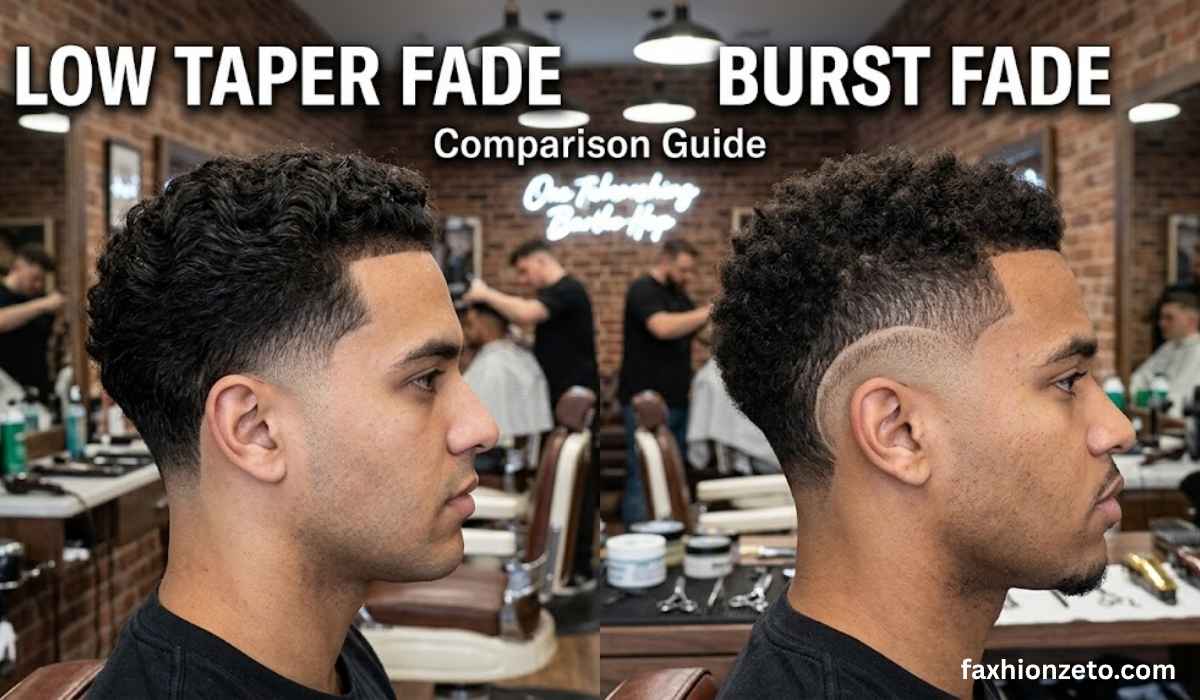
A low taper fade is a classic, simple haircut. The hair stays longer on top and slowly gets shorter near the ears and neck. The fade only happens low down, close to the hairline. This makes the cut look neat but not too flashy.
This style works well for almost any hair type. It’s a safe choice if you want something clean and easy to manage. Here’s what makes it stand out:
- Fades gently, close to the skin
- Keeps more length on the sides
- Looks neat for work or school
- Suits straight, wavy, or curly hair
What Is a Burst Fade?
A burst fade is a bit more creative. Instead of a straight line, the fade curves around the ear like a half-circle, or “burst.” It often pairs with longer hair on top, like a mohawk or spiky style. This gives the haircut a fun, modern twist.
Barbers usually use this cut to add some flair. It’s popular with people who like to stand out a little. Some key features include:
- Round, curved fade near the ear
- Works great with spiky or textured tops
- Adds a bold, stylish look
- Common in skater and streetwear styles
Low Taper vs Burst Fade – Main Differences
The biggest difference is the fade shape. A low taper fades in a straight line near the bottom. A burst fade curves around the ear instead. This one change gives each style a totally different vibe.
Another difference is the overall look. Low tapers feel calm and classic. Burst fades feel edgy and fresh. Think of it this way:
- Low taper = simple, straight fade line
- Burst fade = curved fade around the ear
- Low taper = safe, everyday style
- Burst fade = bold, trendy style
Which Haircut Looks More Professional?
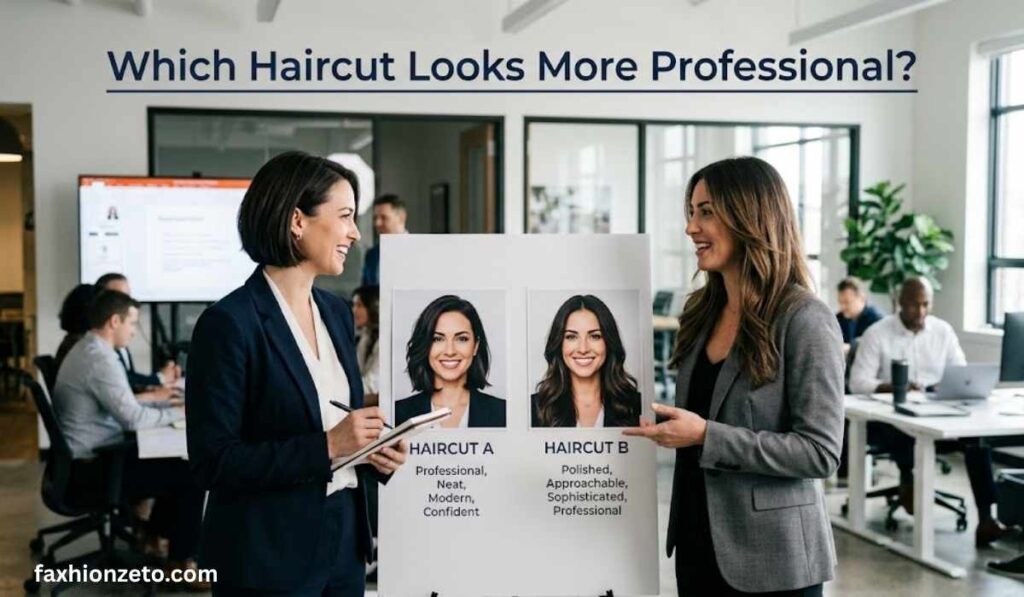
If you need a haircut for work or school, the low taper usually wins. It looks tidy and doesn’t draw too much attention. Many offices and formal settings prefer this quiet, polished style.
The burst fade can still look sharp, but it leans more casual. It’s better suited for creative jobs or everyday life outside strict dress codes. So your choice really depends on where you’re headed each day.
Which One Is Easier to Maintain?
Low taper fades are easier to keep up. Since the fade sits low, it grows out slower and needs fewer touch-ups. You can usually stretch your barber visits a bit longer with this cut.
Burst fades need more care. The curved shape around the ear grows out faster, so the lines can blur quickly. If you want your burst fade looking crisp, plan for more frequent trims.
Best Hair Types for Low Taper vs Burst Fade
Not every haircut works the same on every hair type. Some styles need extra texture. Others look best on smooth, flat hair. Let’s see which fade fits your hair best.
Straight Hair
Straight hair looks great with a low taper fade. The smooth lines match the simple, clean style. A burst fade can work too, but it needs some product to add texture on top.
Curly Hair
Curly hair shines with a burst fade. The curls add natural volume, and the curved edges blend right in. A low taper still works, but curls may hide the subtle fade lines.
Thick Hair
Thick hair holds shape well, making it perfect for a burst fade. The fullness on top balances the bold curve near the ear. A low taper also works but may need more thinning.
Thin Hair
Thin hair pairs better with a low taper fade. It keeps things looking neat without extra bulk. A burst fade can work, but thin hair may make the curve less noticeable.
Wavy Hair
Wavy hair looks awesome with either style. The natural movement adds texture to a burst fade. It also flows nicely with a low taper for a relaxed, easy look.
Best Face Shapes for Each Haircut
Your face shape can help you pick the right fade. Some cuts balance sharp features, while others soften a rounder look. Let’s see which haircut fits which face best.
Low Taper Works Best For:
This cut adds a clean, balanced look without changing your face too much.
- Round faces, since it adds subtle height
- Oval faces, which suit almost any style
- Square faces, for a softer overall look
Burst Fade Works Best For:
This style adds shape and height, great for faces that need more definition.
- Long faces, since it adds width near the ears
- Diamond faces, to highlight strong cheekbones
- Heart-shaped faces, for a balanced, stylish finish
Low Taper vs Burst Fade With Beard
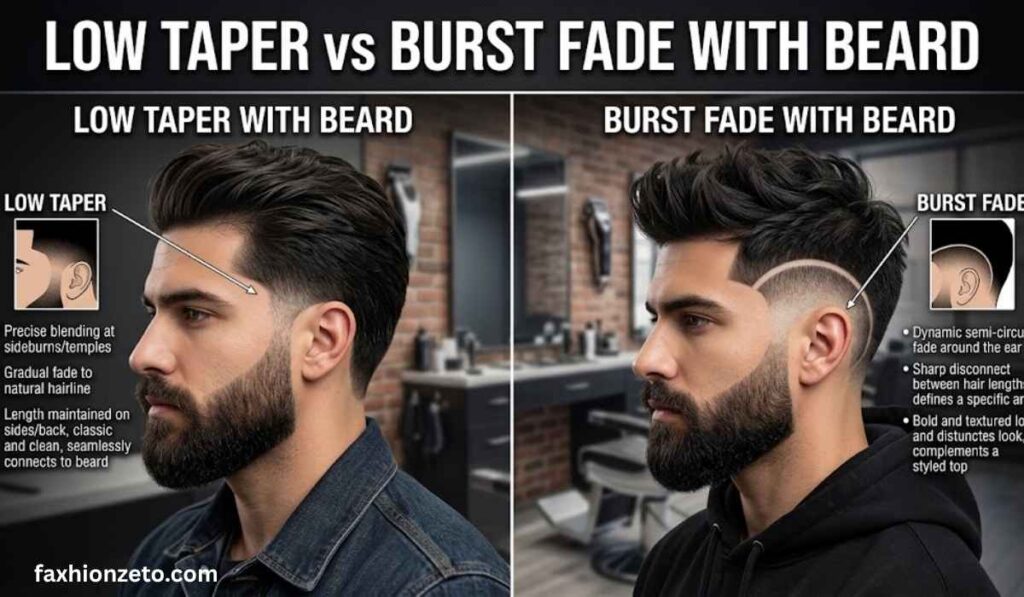
Pairing a fade with a beard changes the whole look. A low taper keeps things balanced and clean. A burst fade adds more edge and style next to your facial hair.
- Low taper blends smoothly into a full beard
- Burst fade highlights sharp beard lines
- Both styles work great with fresh beard trims
Common Mistakes to Avoid
Picking the right fade takes more than just liking a photo. A few small mistakes can ruin your haircut. Here are some common slip-ups people make, and how you can easily avoid them.
Choosing a Fade That Does Not Match Your Lifestyle
A bold burst fade might not fit a strict job or school dress code.
Ignoring Hair Texture
Curly, straight, and thick hair all fade differently, so texture matters a lot.
Not Showing Reference Photos
Words alone can confuse your barber, so always bring a clear picture.
Waiting Too Long Between Haircuts
Skipping trims makes fades grow out messy and lose their clean shape.
How to Ask Your Barber for the Right Cut
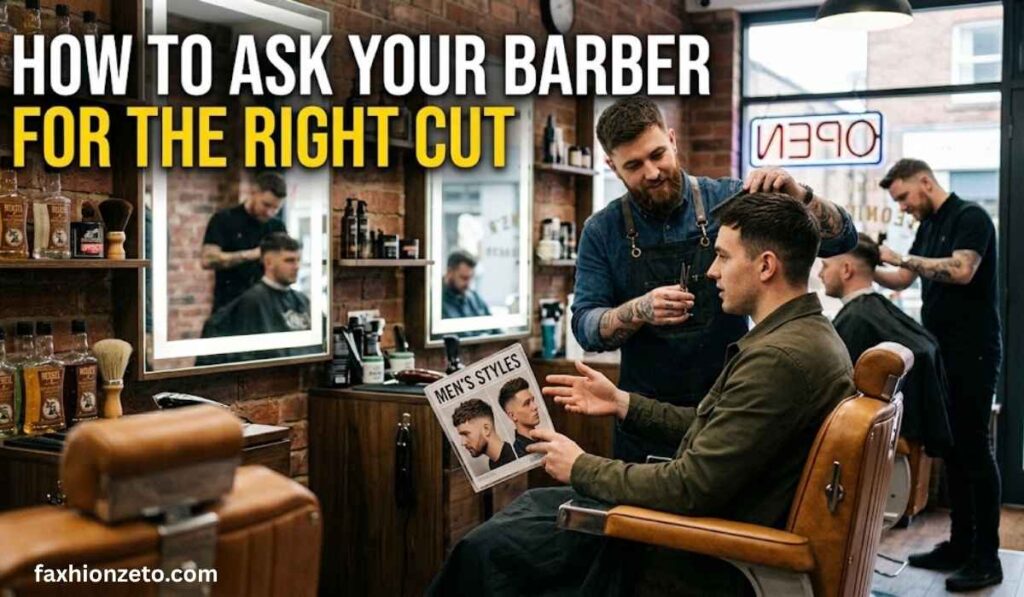
Talking to your barber the right way helps you get the exact look you want. Use clear words. Bring a photo if you can. This makes the whole process much easier.
For a low taper:
Ask for a “low taper fade” with a straight, subtle fade near the hairline.
For a burst fade:
Ask for a “burst fade” with a curved fade around the ear.
Always take:
Bring a clear photo of the style so your barber matches it exactly.
Which One Should You Pick?
The right choice depends on your style and daily life. If you want something safe and easy, go with a low taper. If you like bold looks, try a burst fade.
Think about your hair type too. Straight hair often suits a low taper better. Curly or textured hair can really pop with a burst fade. Here’s a quick way to decide:
- Want a classic, low-key look? Pick the low taper.
- Want something bold and eye-catching? Pick the burst fade.
- Need low upkeep? Go with the low taper.
- Don’t mind extra trims? Try the burst fade.
At the end of the day, both cuts look great. Pick the one that matches your personality best.
Conclusion
Both haircuts look great in their own way. A low taper is simple, neat, and easy to keep up. A burst fade is bold, fun, and full of style. Your choice depends on what you like and how much time you want to spend at the barber. Try showing your barber a photo of each style. That way, you’ll walk out with a cut that fits you perfectly.
Frequently Asked Questions
Is burst fade better than low taper?
Not really better, just different. It depends on your style and how bold you want to look.
Does a low taper last longer?
Yes. Since the fade sits low, it grows out slower and needs fewer touch-ups.
Which fade is best for curly hair?
A burst fade often works great with curly or textured hair, since it adds shape and volume.
Is burst fade good for school or work?
It can be, but a low taper usually looks more polished for strict dress codes.
Can both styles work with beards?
Yes! Both fades pair well with beards and can help your whole look feel more balanced.

Isaac Flynn is a fashion writer and content researcher at Faxhionzeto.com. He focuses on fashion trends, styling ideas, clothing guides, and modern wardrobe inspiration. With an interest in visual culture and fashion journalism, Isaac creates practical, reader focused articles that turn evolving style ideas into clear, useful information for everyday fashion enthusiasts.