

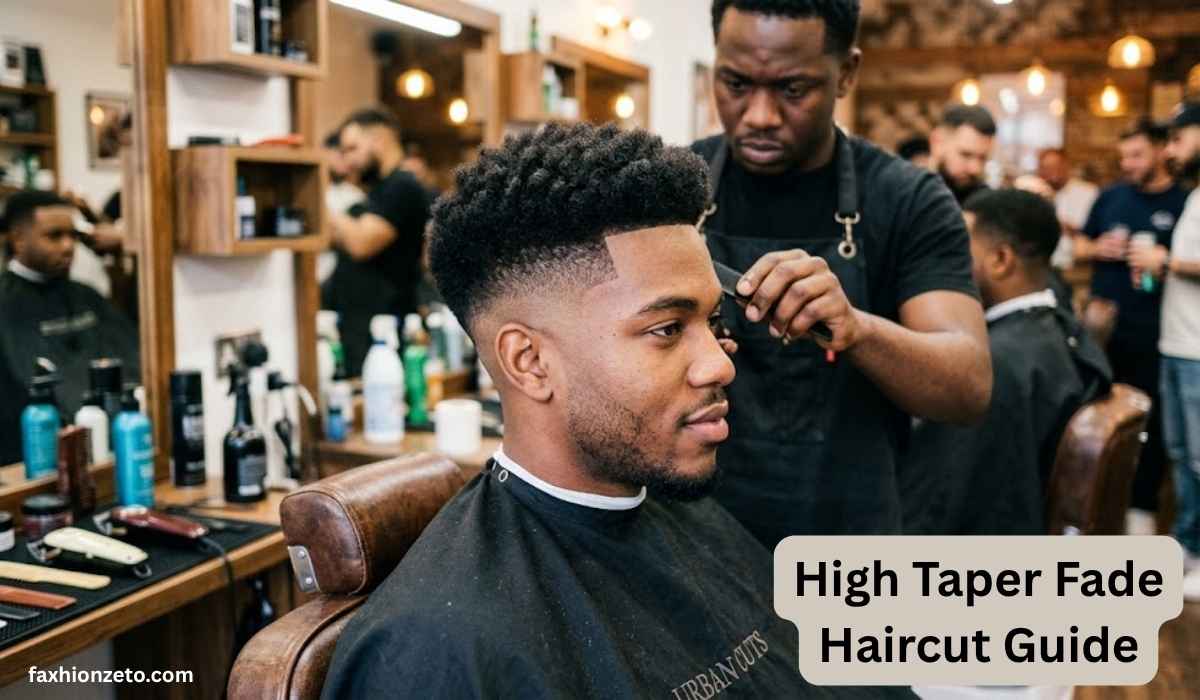
A high taper fade is one of the cleanest men’s haircuts today. The hair is short on the sides and gets shorter toward the neck. It starts high, near the temples. This look is sharp, simple, and easy to style. Many guys pick it because it works for work, school, and weekends.
It also fits short, curly, and long hair on top. In this guide, you will learn how a high taper fade differs from a low taper and a mid taper. You will also see modern taper styles to show your barber. Let’s find the best fade haircut for you.
High Taper Fade Haircut Guide: Styles, Pairings & Barber Tips
A high taper fade keeps the sides short and clean. The hair fades out high, near the temples. The top stays longer, so you can style it many ways. This cut looks neat and modern. It works with a quiff, a textured crop, or curls. Bring a photo to your barber, and ask for the right guard number.
- Works for work, school, and weekends
- Pairs well with beards
- Easy to change as your style grows
Historical Evolution and Cultural Context
Tapered cuts are not new. In the early 1900s, barbers shaped short sides for soldiers and office workers. Later, Black barbershops turned the fade into an art form. Hip-hop and sports stars then spread it around the world. Today, the high taper fade mixes that old skill with fresh, modern style.
- Military roots in the early 1900s
- Barbershop culture shaped its craft
- Music and sports made it popular
Key Styles, Cut Anatomy, and Variations
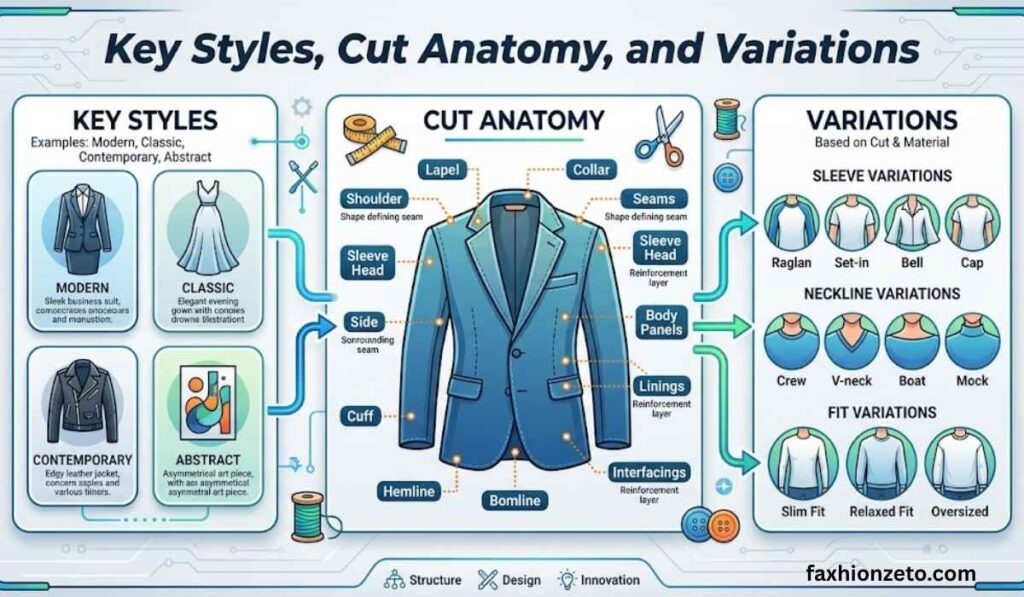
There are many ways to wear this cut. The taper fade can pair with a quiff, a pompadour, or a messy crop. Some guys add a hard part. Others keep the top curly. The fade starts near the temple and blends down to skin or a short guard. Each style gives a different mood.
- Skin fade for a bold look
- Shadow fade for a softer blend
- Longer top for more style choices
Face Shape and Hair Texture Compatibility Matrix
Your face shape and hair type matter. A high taper fade adds height, so it suits round and square faces well. Oval faces can wear almost any top. Thick hair holds shape easily. Fine hair needs more texture. Curly hair looks great over a sharp fade. Tell your barber about your hair type first.
- Round face: add height on top
- Fine hair: use texture spray
- Curly hair: keep the top longer
Step-by-Step Styling and Barber Execution Protocol
Good results follow simple steps. First, wash and dry your hair. Your barber marks the fade line with clippers. Next, they blend from short to long using guards. They clean the neckline and edges last. At home, add product to the top and shape it. Take your time. Small steps give a clean finish.
- Start with clean, dry hair
- Blend slowly, one guard at a time
- Finish with edges and neckline
Essential Products, Formulations, and Styling Tools
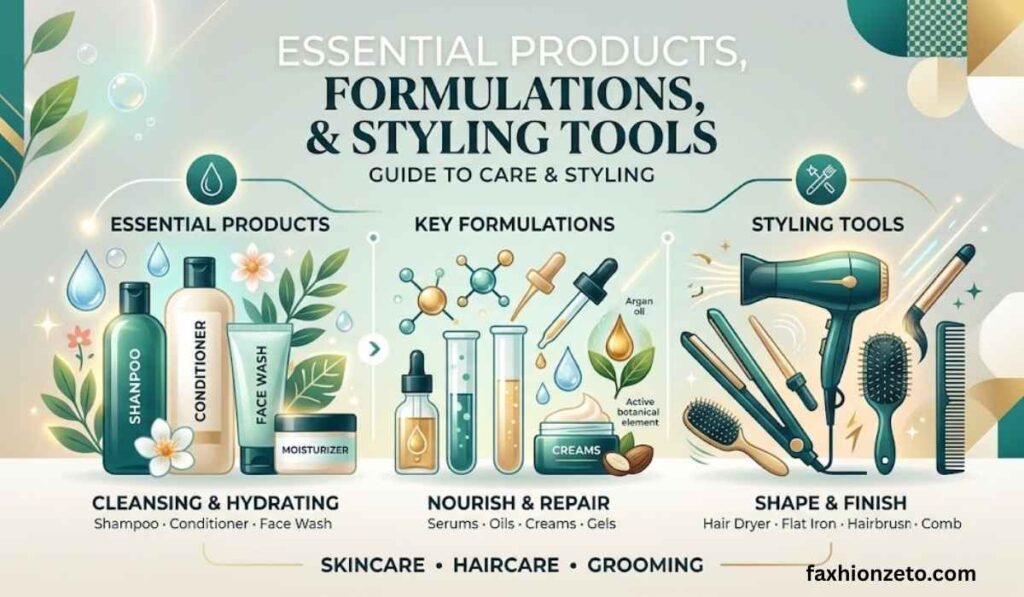
The right tools make styling easy. Use a light clay or paste for a matte look. Pick pomade for a shiny finish. Sea salt spray adds texture to fine hair. A good comb and a small brush help shape the top. Choose products that fit your hair. Too much product weighs the hair down.
- Clay or paste for matte hold
- Pomade for shine
- Comb, brush, and hair dryer
Professional Barbershop Secrets and Edge Precision
Pro barbers work slowly around the edges. They use a trimmer to draw a crisp line at the temples and neck. They also blend with small clipper moves and a comb. A sharp edge makes any taper fade look fresh. Ask for a line up if you like clean borders.
- Crisp lines make the cut pop
- Small clipper moves blend better
- Regular visits keep edges sharp
Common Haircut Mistakes and How to Avoid Them
Some errors can ruin a good cut. The most common one is asking for a fade without a guard number. Another is starting the fade too high or too low for your head shape. Skipping the blend leaves harsh lines. Using too much product also hurts. Talk with your barber and bring photos.
- Always name the guard number
- Check the fade height first
- Use a small amount of product
Seasonal Care and Maintenance Cadences
Your hair needs change with the weather. In summer, sweat and sun dry the scalp, so wash gently and use sunscreen. In winter, the air is dry, so use a light moisturizer. A high taper fade grows out fast. Plan a trim every two to three weeks in any season.
- Summer: protect your scalp from sun
- Winter: add light moisture
- All year: trim every two to three weeks
Barbershop Communication, Terminology, and Consultation Guide for High Taper Fade
Clear words help you get the cut you want. Say “high taper fade” and show a photo. Tell your barber the top length and the guard number. Mention if you want a skin fade or a shadow fade. Ask questions if something is unclear. Good talk builds trust and avoids bad surprises.
- Bring two or three photos
- Learn words like guard, blend, and line up
- Speak up before the cut starts
Blow-Drying Mechanics, Directional Airflow, and Pre-Styling Chemistry
Blow-drying gives the top shape and lift. Start with damp hair and a little pre-styling spray. Point the dryer down first, then brush the hair up. Use medium heat to protect the strands. Finish with cool air to lock the shape. This simple habit makes a taper fade look full and neat.
- Use medium heat, not high
- Brush the hair up and back
- Cool air sets the style
Scalp Health, Follicular Longevity, and Trimming Schedules
Healthy hair starts at the scalp. Wash with a mild shampoo and rinse well. Fades show more skin, so keep it moisturized. Avoid harsh scratching. Trim every two to four weeks to keep the fade crisp. Eat well and drink water. A clean scalp helps hair grow strong and thick.
- Use mild shampoo
- Moisturize exposed skin
- Book trims every two to four weeks
Summary and Personal Aesthetic Philosophy
A high taper fade is clean, bold, and easy to wear. It fits many faces, hair types, and styles. Know your options and talk clearly with your barber. Care for your scalp and use simple products. Then make the look your own. The best haircut is the one that makes you feel confident.
- Pick a style that fits your life
- Keep up with regular trims
- Confidence is the best finishing touch
Conclusion
A high taper fade is a clean, modern cut that fits almost every guy. It works with short, curly, or longer hair on top. Pick the right style for your face shape. Tell your barber the guard number and bring a photo. Keep up with trims every few weeks. Care for your scalp, too. Now you are ready to book your next fade haircut and wear it with real pride.
Frequently Asked Questions
What is a high taper fade?
A high taper fade is a men’s haircut with short sides that fade out near the temples. The hair gets shorter as it moves down toward the neck. The top stays longer, so you can style it in many ways.
What is the difference between a high taper and a high fade?
A high taper leaves more length on the sides and blends softly. A high fade cuts much shorter, often down to bare skin. The fade looks bolder. The taper looks softer and more classic.
What hairstyles look best with a high taper fade?
A quiff, a pompadour, and a textured crop all look great. Curly tops and slick backs work well too. Pick the style that fits your hair type and face shape.
How often should I get a high taper fade cut?
Most guys need a trim every two to three weeks. The short sides grow out fast. Regular visits keep the lines sharp and the blend clean.
Is a high taper fade professional for office work?
Yes, it can be. Ask for a natural taper and keep the top neat. A clean neckline and a simple style look sharp at work. Skip extreme skin fades if your office is strict.
Can I get a high taper fade with straight hair?
Yes, you can. Straight hair blends smoothly and shows clean lines. It may need a little texture spray for volume. A good barber can shape the fade to suit straight hair.

Isaac Flynn is a fashion writer and content researcher at Faxhionzeto.com. He focuses on fashion trends, styling ideas, clothing guides, and modern wardrobe inspiration. With an interest in visual culture and fashion journalism, Isaac creates practical, reader focused articles that turn evolving style ideas into clear, useful information for everyday fashion enthusiasts.